Why Clothes Shrink in the Dryer and How to Prevent It
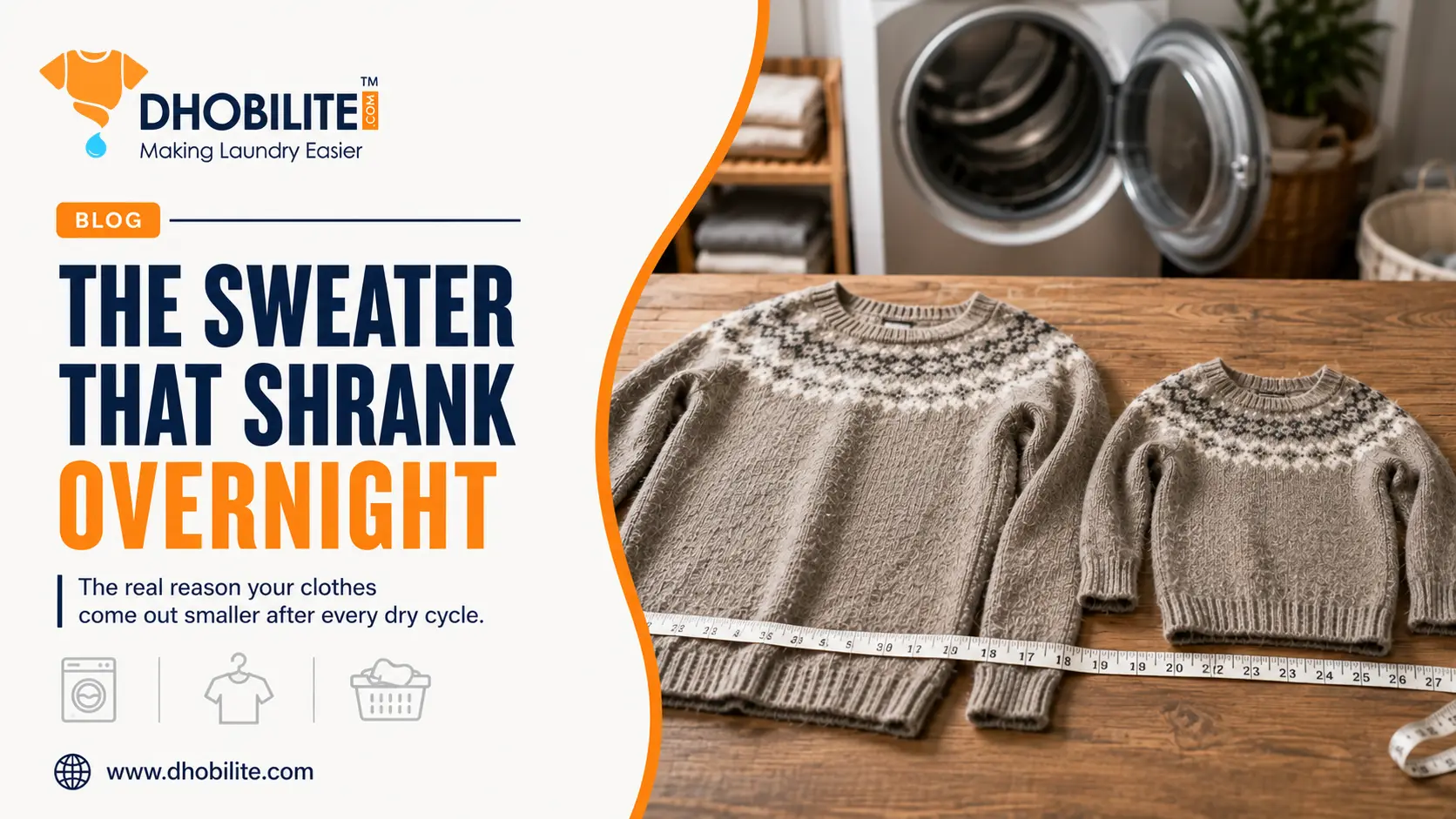
It’s definitely frustrating to find out that your favorite shirt has mysteriously shrunk or that your sweater has started feeling ill-fitting after being dried. Although the use of the dryer helps us save a lot of time in doing our laundry, there is always a possibility that the high temperatures and continuous spinning could make some fabrics shrink. But, not all clothes will shrink when put in the dryer.
Why Do Clothes Shrink in the Dryer?
Fibers used in fabrics usually have inherent thermal and hydrothermal properties. Fibers are structured in a special way during the production process. Fibers may be stretched or twisted into a certain form. While washing and drying, the fabric relaxes back to its original form.
Drying is responsible for this, since high temperatures and movement of the drum lead to relaxation of the fabric. Some fibers tend to shrink in high temperatures, while the constant movement adds stress to the fabric.
Natural fibers tend to shrink more than others. Cotton, wool, linen, and other natural fibers can reduce in size under excessive heat exposure. Some synthetic fibers do not show this tendency, but high temperature can destroy their original form.
Fabrics Most Likely to Shrink
Not all clothes will behave in the same way with the use of the dryer. It will help avoid errors in the laundering process.
- Cotton: Clothes made of cotton can shrink greatly especially during the first washing cycles.
- Wool: Wool fabric is very sensitive to heat, moisture, and mechanical action and can shrink or felt due to improper drying.
- Linen: Linen can shrink under the effect of heat but usually more resistant to heat than wool.
- Rayon: It shrinks when exposed to heat and moisture.
- Silk: Silk is a delicate fabric which is prone to heat damage, deformation or change of texture.
- Blends: Multi-fiber clothing can show different behavior depending on what types of fibers it consists of.
Remember to read the care label attached to your clothes before drying. Such labels as “tumble dry low,” “air dry” and “dry clean only” are very helpful hints about how the garment should be dried.
How to Prevent Clothes from Shrinking
The key to avoiding shrinking is keeping temperature under control and treating your clothing properly through the laundering process.
Set the Correct Drying Temperature
Don’t just default to high heat settings all the time. It is generally better to err on the side of low and medium heat settings when it comes to tumble drying clothes. Higher temperatures will dry clothes quicker but can cause clothes to shrink more easily.
Remove Clothes Promptly
Storing the clothes in the still warm dryer after completion of the process means that they will be exposed to further heating.
This helps in reducing excessive wrinkling and ensures that the garment retains its shape.
Air Dry Whenever Possible
Air drying is one of the easiest ways of preventing shrinking because of heat. Some examples of items that could be air dried include sweaters, delicate shirts, and other natural fiber clothing.
It is important to understand that some materials have the capacity of stretching when hanging while wet. For this reason, some items like sweaters should not be hanged but dried flat.
Don’t Fill the Dryer Too Much
An overloaded dryer doesn’t provide space for clothes to move around, potentially disrupting the flow of air. The garments may take longer to dry, thus spending longer in contact with heat.
Drying smaller loads will help provide better air flow and make sure that garments dry evenly.
Refer to the Care Label
The care label is the most important place to start when figuring out if the garment is safe to be put in the dryer. They tell you how to properly wash, dry, iron and clean your garments.
Disregarding these instructions can do more harm than just shrinking the clothes.
Why Choose Professional Dry Cleaning Services?
There are clothes that are definitely not meant for regular wash and tumble drying. For instance, structured suits, woolen coats, silk dresses, embroidered clothing, formal and evening wear, and some other clothes might need special attention in terms of cleaning.
Professional cleaners offer different cleaning and drying procedures depending on the type of fabric used. Thus, they can select the right cleaning procedure according to the characteristics of the particular piece of clothing.
Professionals could be helpful in case you have:
- Woolen suits and coats
- Silk dresses and blouses
- Formal or evening clothes
- Delicate fabrics
- Structured jackets and trousers
- Embroidered or embellished clothes
- “Dry clean only” clothes
Another good thing about professional cleaning is that clothes can be pressed and finished properly, which means that you do not have to worry about their fit.
Of course, professional cleaning is not a must when it comes to your entire wardrobe, but it might be beneficial for some of your clothes.
Conclusion
Clothes become smaller in the dryer because of heat, moisture, and motion that lead to contraction or relaxation of specific fibers. Natural fibers like cotton and wool become affected most frequently, but there are also a lot of other fibers that may shrink from incorrect drying.
Prevention of shrinking includes proper temperatures, label reading, non-overloading of dryers, immediate removing of the clothing and air-drying some clothes. Professional dry cleaning may be considered for some items like delicate or structured garments, and dry-clean-only clothing.
Some additional efforts in fabric care may be rather helpful in preserving your garments better. Correct selection of the washing and drying process will significantly contribute to this effect.
FAQs
1. Is it possible that clothes will shrink each time they get into the dryer?
No. Shrinkage is dependent on the type of fabric, heat, moisture, and way of drying.
2. Does low heat pose a lower chance of shrinking?
Yes. Remember to refer to the care label of the garment.
3. Will dry cleaning clothes prevent them from shrinking?
Dry cleaning utilizes proper ways of cleaning clothes according to their fabrics.