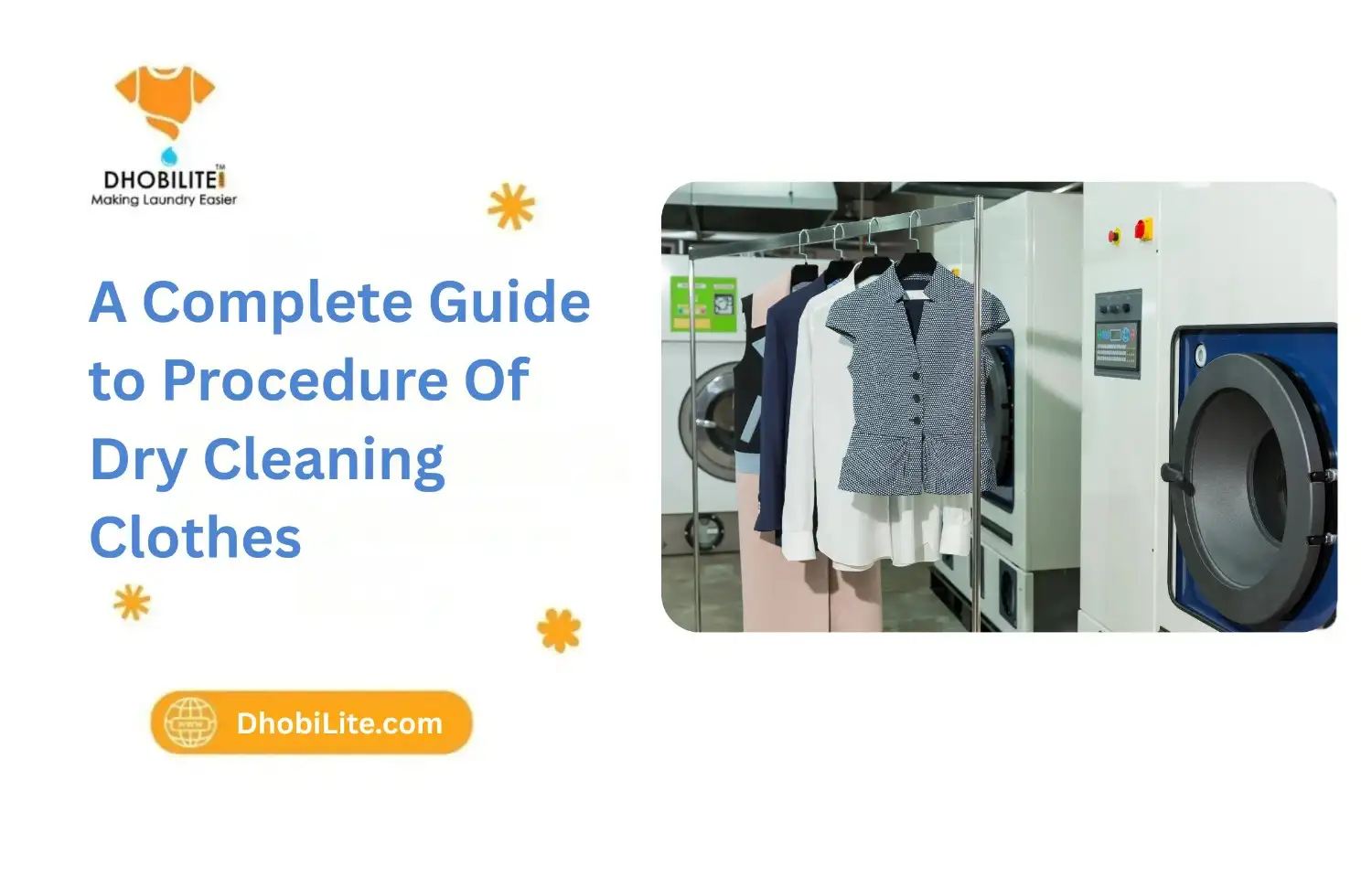
While your washing machine can do amazing work for washing everyday clothes, dry cleaning holds a special place for garments that require delicate handling and extra attention. Unlike traditional laundering methods, dry cleaning uses a chemical solvent, often perchloroethylene (PERC), to clean clothes without water. This process is suitable for fabrics that may not withstand a washer and dryer, such as silk, suede, wool, and other delicate garments.
The dry cleaning process involves placing clothes in a specialized machine where they are gently agitated in the solvent to remove dirt and stains. After the cleaning cycle, the solvent is dried and distilled for reuse, while the cleaned clothing is inspected for remaining stains, imperfections, or finishing needs.
The duration of dry cleaning may vary based on the type of apparel, the severity of stains, and the cleaner’s workload. In the sections below, we explain the dry cleaning process in detail so you know what to expect when you hand over your clothes to professionals.
Dry Cleaning Process: Step-by-Step
Understanding how dry cleaning works helps estimate how long it will take to clean your clothes. The steps involved directly affect the time and the quality of results. Let us break it down step by step:
Step 1: Drop-Off
You take your clothing items to a dry cleaner. At this stage, the attendant usually provides a ticket that includes an approximate pickup date.
Step 2: Inspection
Your clothing is inspected for stains, damage, and any special care instructions. This helps the cleaner decide the right treatment for each fabric.
Step 3: Cleaning
Clothing is placed in a specialized dry cleaning machine. A cleaning solvent (typically PERC) removes stains and dirt without using water.
Step 4: Pressing
After cleaning, garments are pressed or steamed to restore their shape and appearance, ensuring a crisp, fresh look. For everyday ironing needs, see our steam press service.
Step 5: Quality Control
A final inspection ensures all items meet high standards of cleanliness and appearance. Any remaining issues are re-treated if needed.
Step 6: Packaging
Your clean clothes are carefully packed and prepared for pickup or delivery, ready to wear.
When to Dry Clean Your Clothes
Not all fabrics need dry cleaning – but for some, it is essential. Below is a quick guide on when to dry clean and when to skip it.
Clothes That Require Dry Cleaning
- Delicate fabrics such as silk, suede, leather, wool, and cashmere
- Stained garments with unknown or oil-based stains
- Clothes that are difficult to iron (consider steam ironing)
- Expensive or designer garments you do not want to risk damaging
Clothes That Do Not Require Dry Cleaning
- Cotton, denim, and many synthetic fabrics
- Everyday wear that can handle machine washing (see our laundry service)
- Always check the care label if you are unsure about the fabric
Tips and Tricks for Dry Cleaning
- Always follow care label instructions.
- When dropping off clothes, clearly indicate stains and their causes for better treatment.
- Do not rub stains; this can cause color loss or fabric damage around the affected area.
Final Take
As a general guideline, you can dry clean a suit after every 5-10 wears, depending on use. Always follow the care label and manufacturer guidance. Remember, dry cleaning is one option in a broader care routine – preventive measures and gentle laundry techniques can extend garment life and keep them looking sharp.
FAQs on Dry Cleaning
How powerful is dry cleaning?
Dry cleaning is an effective way to remove stains, dirt, and odors. It uses specialized solvents and equipment to clean and refresh garments gently without water.
How many times should I dry clean my clothes?
It depends on how often you wear them. If clothes smell, have stains, or look dull, it is time for dry cleaning. For suits and formal wear, every 5-10 uses is typical.
How does dry cleaning remove stains?
The solvent breaks down oil-based and other stubborn stains that water may not remove. Many cleaners also perform pre-treatment for best results. For water-washable items, consider our laundry and steam press services.