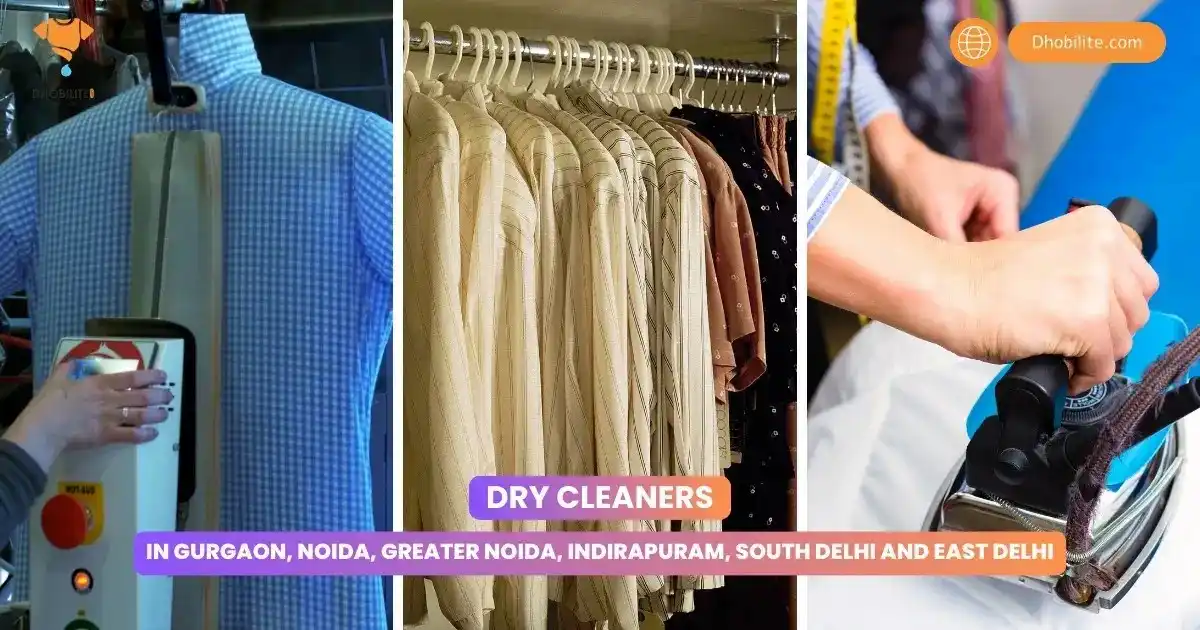

It can be hard to choose between dry cleaning and washing your expensive clothes at home, like silk sarees, tailored suits, designer dresses, and woollen blazers. Home washing is convenient, but it may not always be the safest or most effective way to clean delicate, structured, or expensive clothes.
Let’s look at the differences and help you choose when to get professional care and when a home wash will work just as well.
What Is Dry Cleaning?
Instead of water, dry cleaning uses chemical solvents to clean. Dry cleaning uses a special solvent (now often eco-friendly) that lifts dirt and stains from fabric without changing its texture or finish. This is different from washing machines that use water.
DhobiLite and other modern dry cleaners use biodegradable, non-toxic solvents to clean clothes gently and well. This is better for your clothes and the environment.
What Is Home Washing?
Home washing is the old-fashioned way of doing laundry with water, detergent, and either your hands or a washing machine. It’s great for everyday clothes like cotton t-shirts, jeans, knickers and towels. But when it comes to high-maintenance fabrics or embellished garments, the limitations of home washing become clear.
5 Key Differences: Dry Cleaning vs. Home Washing
| Feature | Home Washing | Dry Cleaning Services |
|---|---|---|
| Water Use | Uses water and detergent | Uses chemical solvents, not water |
| Suitable For | Casual wear, cottons, linens | Delicates, wool, silk, suits, embroidered items |
| Stain Removal | Limited to surface-level stains | Advanced stain treatment without damaging fabric |
| Fabric Life | May wear out delicate clothes | Preserves texture and shape of expensive garments |
| Convenience | Do-it-yourself | Pick-up, drop-off, professional handling |
When Home Washing Can Be Risky
- Color Bleeding: Dark or vibrant clothes may bleed into others.
- Shrinkage: Fabrics like wool and silk can shrink or lose shape in water.
- Damage to Embellishments: Sequins, zari, lace, or embroidery can come off or fade.
- Stubborn Stains: Home detergents may not remove oil, ink, wine, or grease stains.
When to Choose Dry Cleaning Services
Dry cleaning is your best option when dealing with:
- Expensive Fabrics (wool, silk, velvet, chiffon, leather)
- Heavily Stained Garments
- Structured Clothing like suits, blazers, coats
- Delicate Items with embellishments or embroidery
- Seasonal Clothes that need long-term storage care
How DhobiLite Makes Dry Cleaning Safer & Smarter
At DhobiLite, we provide modern, eco-friendly dry cleaning services tailored for premium garments. Our process involves:
- Certified non-toxic solvents
- Temperature-controlled cleaning
- Stain-by-stain garment assessment
- On-time delivery with app-based tracking
- Affordable pricing for occasional or subscription-based dry cleaning
With 56+ locations across India, DhobiLite ensures your designer outfits are always in safe hands. Book dry cleaning services from your nearest DhobiLite center.
FAQs on Dry Cleaning vs. Home Washing
Q1: Is dry cleaning safe for all fabrics?
No, but it’s ideal for non-washable fabrics like silk, wool, and suede. Check the garment label or consult your dry cleaner.
Q2: How often should I dry clean my expensive clothes?
It depends on wear. Suits and jackets should be dry cleaned after 4-6 wears. Heavily stained or special-occasion garments should be cleaned immediately.
Q3: Is dry cleaning expensive compared to home washing?
While the upfront cost may be higher, dry cleaning prevents fabric damage, shrinkage, and premature wear, offering long-term savings.